
From True Sentence to Novel
A Moveable FeastThis flow follows Ernest Hemingway’s developing craft from simple sentences and deliberate stopping to the demanding revision of a novel.
increasing Bearing strength in each event
 decreasing
Bearing strength in each eventdecreasingThe First True Sentence
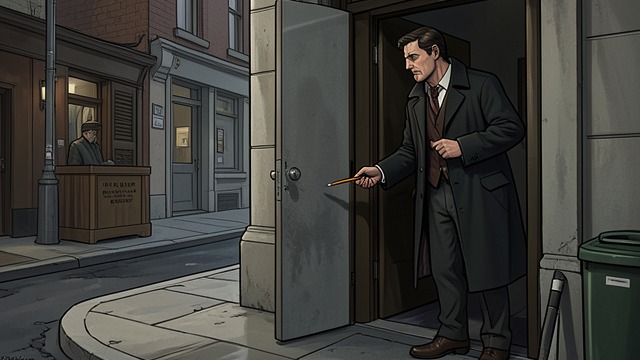
The First True Sentence
A Way Through Impasse
When a story will not begin, Ernest Hemingway tells himself to write the truest simple sentence he knows. A concrete observation breaks the paralysis created by trying to sound impressive.
Simplicity as Discipline
He removes ornamental openings and builds outward from what he can verify. The practice makes truth a method of composition, not just a subject.
Stopping Before Empty
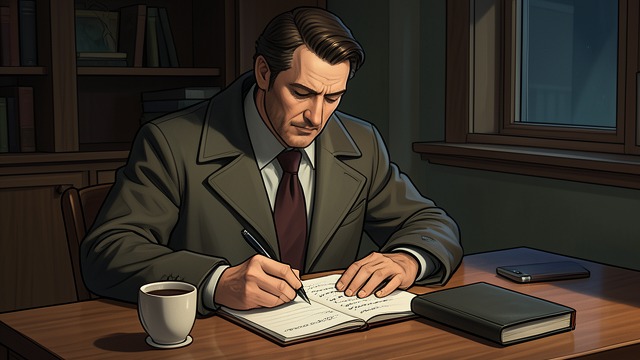
Stopping Before Empty
Keeping Tomorrow Possible
Ernest Hemingway stops work when he knows what comes next rather than exhausting every available idea. The unfinished passage remains a point of entry for the following morning.
Night Work of the Mind
He avoids thinking directly about the work after stopping, trusting the unconscious to continue shaping it. Discipline therefore includes restraint and recovery.
Loss and Restart
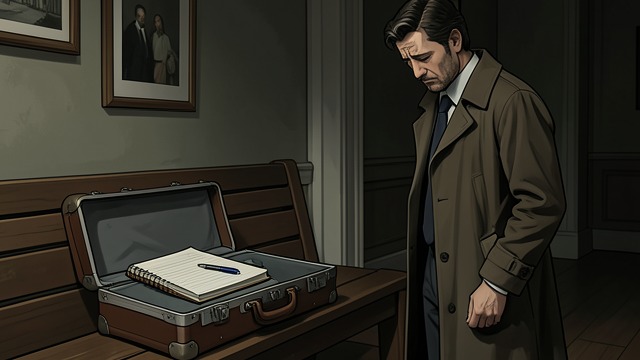
Loss and Restart
Work Taken Away
Hadley Richardson’s suitcase containing Ernest Hemingway’s early manuscripts is stolen while she travels to meet him. The loss removes drafts and copies that cannot simply be reconstructed.
Beginning Again
Hemingway’s grief is real, but he later turns back to writing and discovers that new work remains possible. The catastrophe forces him to rebuild his practice without relying on the vanished pages.
The Omitted Ending
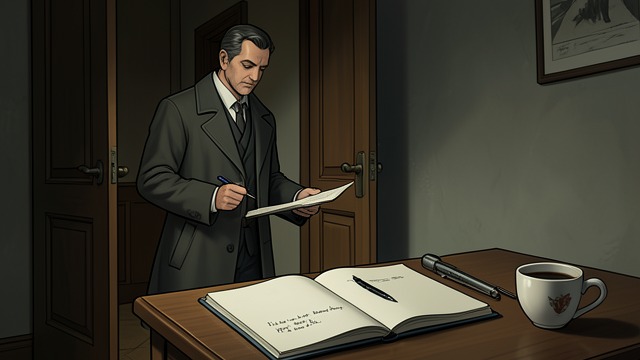
The Omitted Ending
Leaving Something Unsaid
In “Out of Season,” Ernest Hemingway removes the old man’s suicide from the written ending while keeping it present in his understanding of the story. The absent event gives the remaining details additional weight.
Readerly Participation
The technique asks readers to sense what the narrative does not state. Omission becomes a compositional choice that can intensify meaning rather than conceal a lack of knowledge.
Rewriting the First Novel
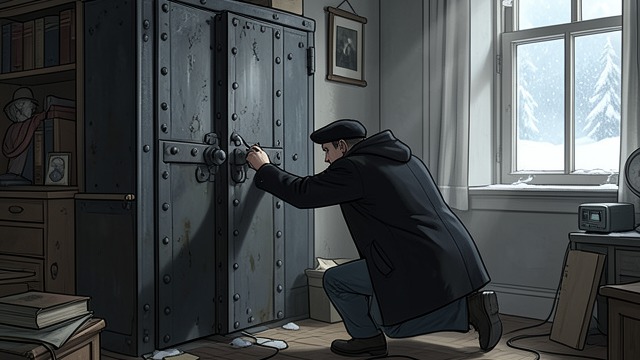
Rewriting the First Novel
From Sprint to Structure
After drafting a novel quickly, Ernest Hemingway faces the harder work of turning it into a finished book. In Schruns he rewrites and reshapes the manuscript over the winter.
Craft Beyond Facility
The task tests the principles he has been developing: make rather than describe, cut what weakens the work, and resist easy fluency. Revision becomes the proof of his artistic seriousness.
during an early winter writing session
after Hemingway establishes a daily writing rhythm
after the manuscript theft at the Gare de Lyon
after Hemingway returns to writing in Cortina d’Ampezzo
winter of 1925–1926 in Schruns
